
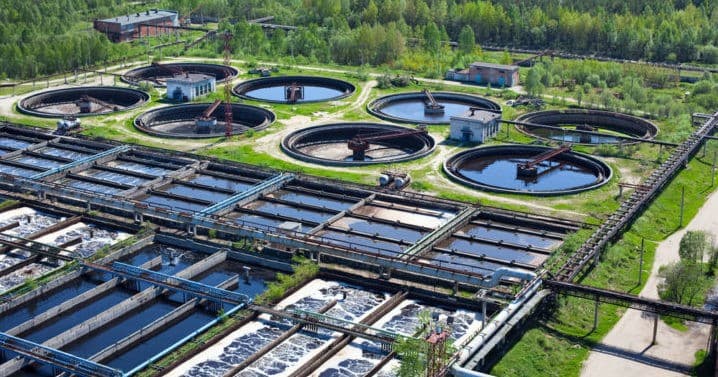
Anaerobic digestion is a natural biological process that turns organic matter into biogas. Biogas is a flexible and long-lasting source of renewable energy. A process called anaerobic digestion uses microbes to break down food without oxygen. As a byproduct, biogas is made. A lot of people are interested in this eco-friendly technology because it looks like a good way to deal with organic waste and make useful energy at the same time.
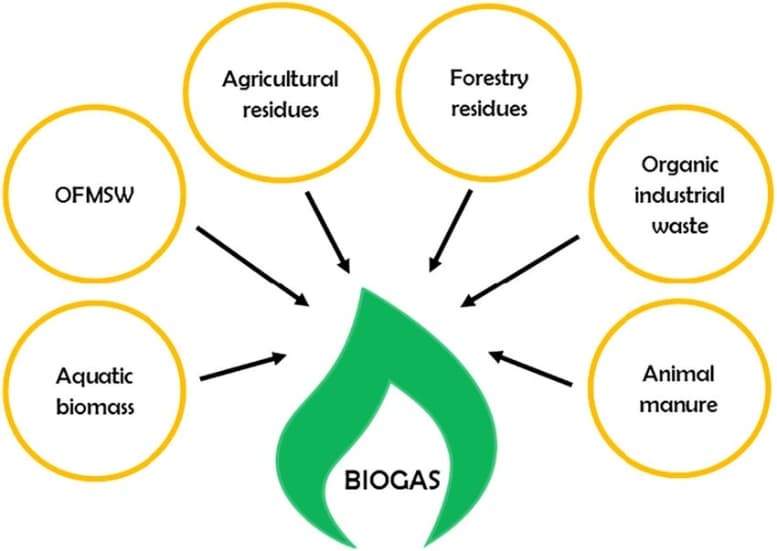
Anaerobic Digestion Process
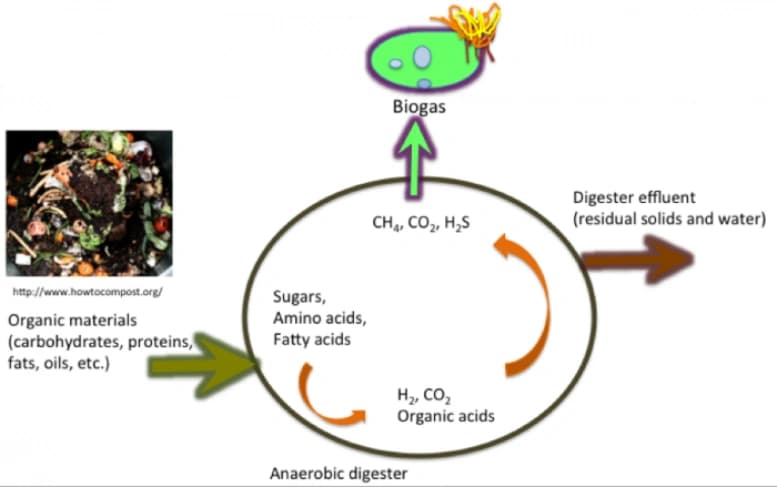
Microorganisms break down organic matter without oxygen, which is called anaerobic digestion. This biological process takes place in anaerobic digestors, which are sealed containers that are made to make the best conditions for the microbes that break down the food.
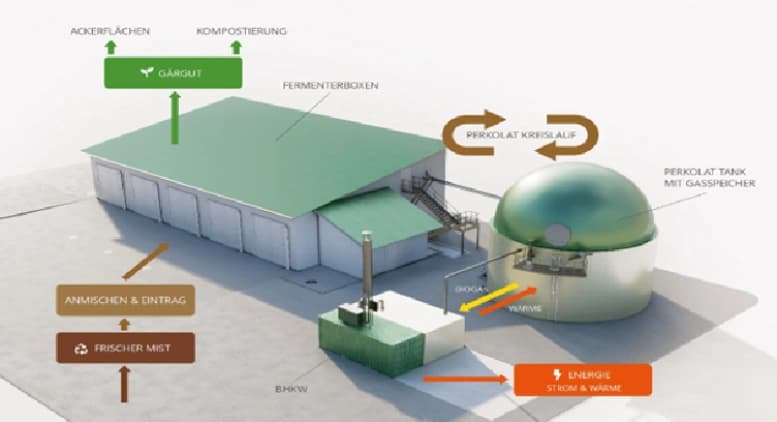
Feedstock Sources
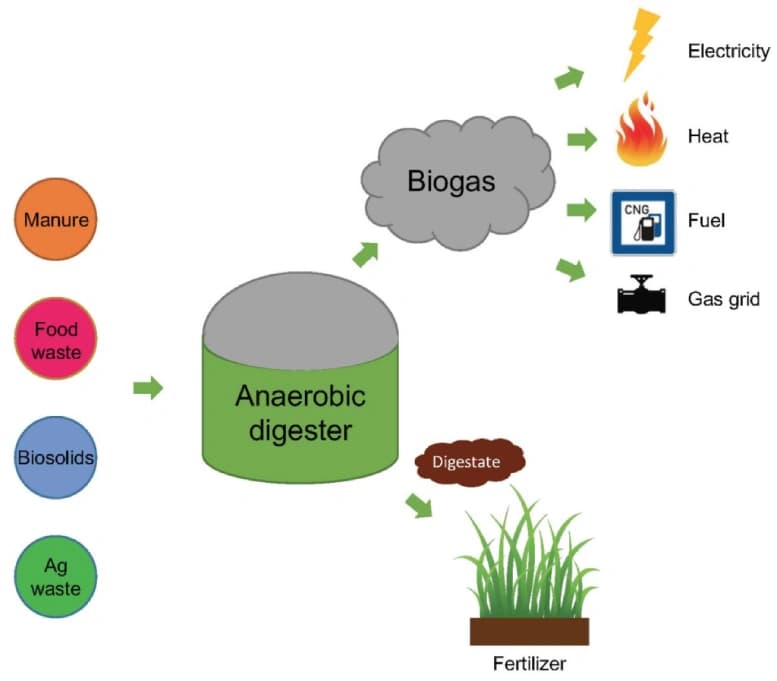
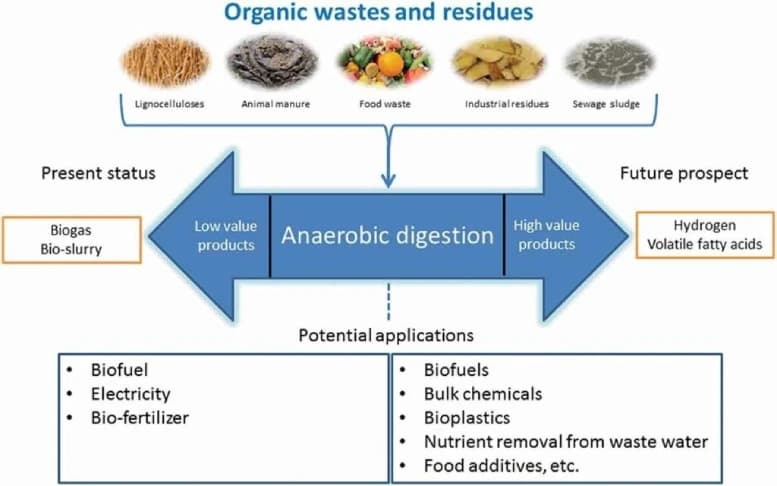
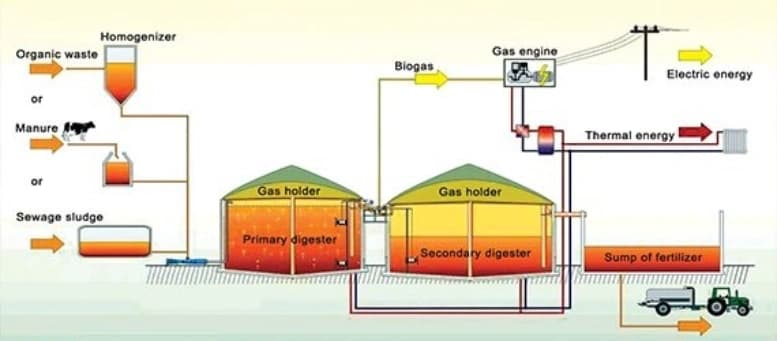
Biogas can be made from many different types of organic materials, such as agricultural waste, municipal solid waste, animal manure, wastewater sludge, and energy crops. The type of feedstock used depends on what is available locally, how waste is managed, and what the biogas is going to be used for in the end.
Microbial Activity
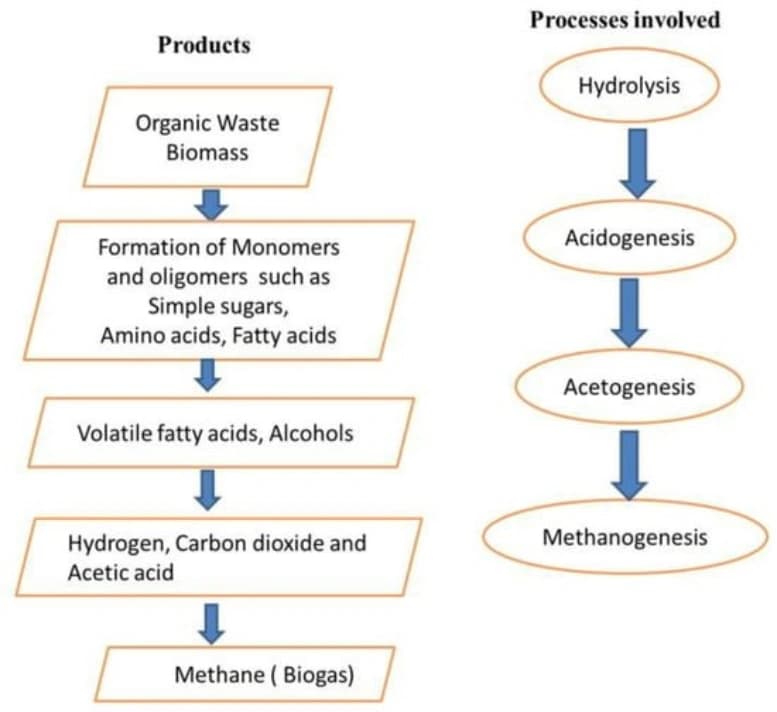
Different types of microorganisms work together to break down complex organic compounds into simpler molecules during anaerobic digestion. The main steps in microbial activity are hydrolysis, acidogenesis, acetogenesis, and methanogenesis. These reactions produce biogas that is high in methane.
Biogas Composition
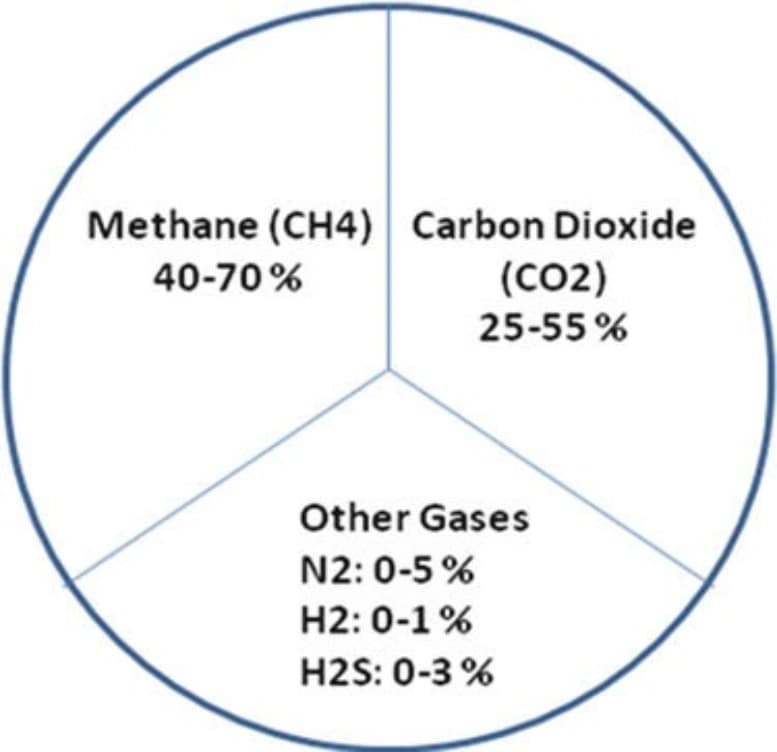
Biogas is mostly made up of methane (CH4) and carbon dioxide (CO2). It also has small amounts of hydrogen sulphide (H2S), nitrogen (N2), and water vapour. The amount of methane in biogas is very important because it determines how much energy it has and how it can be used.
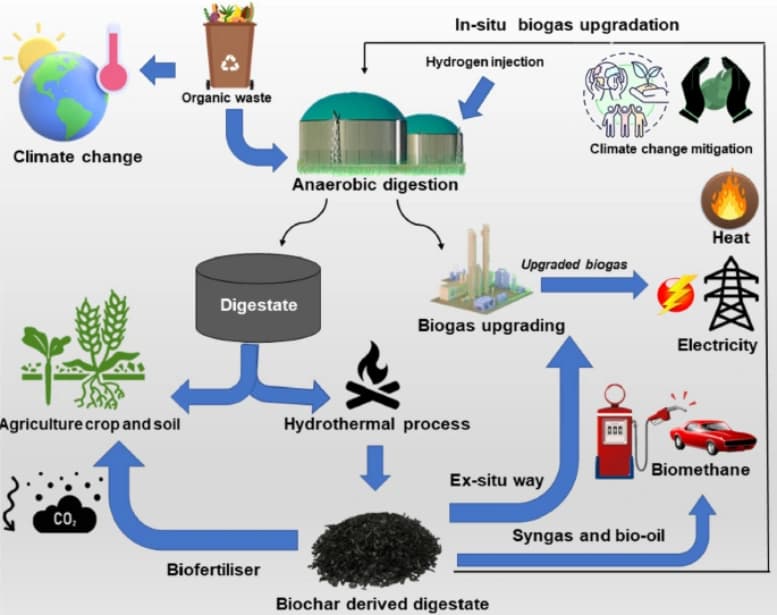
Applications of Biogas
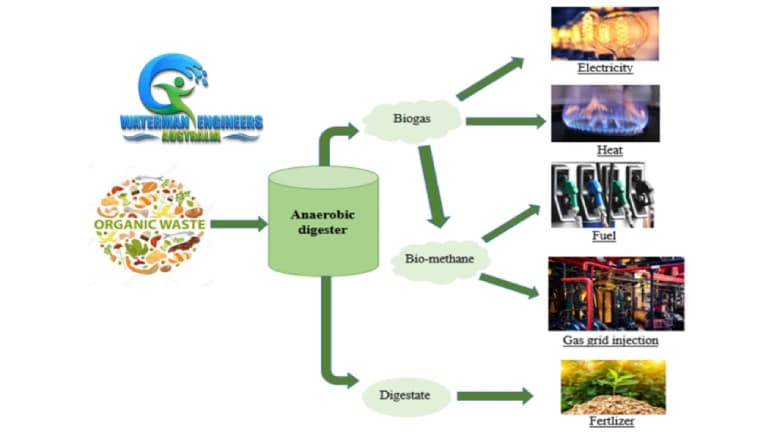
Biogas can be used to make electricity, heat, and fuel for vehicles, among other things. Decentralized biogas systems offer a clean and long-lasting way to power homes and businesses in rural areas, lowering reliance on traditional biomass fuels.
Environmental Benefits
Biogas made from anaerobic digestion is good for the environment in many ways. The process turns organic waste into energy, which helps manage waste, lowers greenhouse gas emissions by capturing methane, and supports a circular economy by using organic materials to make energy.
Anaerobic digestion is a promising technology, but there are problems with getting the right feedstock, making the system work well, and making it profitable. To get the most out of biogas production, the system must be properly designed, operated, and maintained.
Biogas from anaerobic digesters is a clean and efficient way to use renewable energy and deal with problems related to managing organic waste. As technology keeps getting better, biogas production is likely to become an important part of making the energy landscape more sustainable and eco-friendlier.
Biogas production through anaerobic digestion
Anaerobic digestion is a long-lasting and eco-friendly way to make biogas, which is a renewable energy source. An anaerobic digestion is a biological process that breaks down organic matter without oxygen. It makes biogas as a byproduct. The energy potential of the materials is used in this process, which is often used to treat organic waste and wastewater.
1. Substrate Preparation
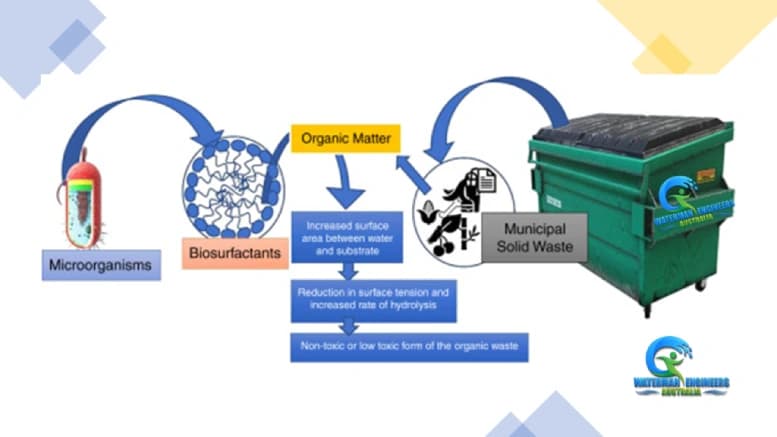
The first step is to gather organic waste, like leftover food, sewage sludge, agricultural waste, or energy crops. Then, these things are cut up or shredded to make more space for microbes to work, which speeds up digestion.
2. Loading and Mixing
The ready substrate is put into the anaerobic digester, which is a controlled, sealed space where the process of anaerobic digestion happens. Mixing is necessary to make sure that microorganisms and nutrients are spread out evenly, which helps digestion.
3. Hydrolysis
It is during this phase that enzymes break down complex organic compounds into simpler molecules. In this step, big molecules like proteins, fats, and carbohydrates are cut up into smaller ones, like amino acids, fatty acids, and sugars.
4. Acidogenesis
What's left over after hydrolysis is broken down even more to make simpler compounds like volatile fatty acids (VFAs) and alcohols during acidogenesis. Acid-forming bacteria are very important at this stage because they make organic acids as waste products.
5. Acetogenesis
VFAs and alcohols are changed into acetate and hydrogen by acetogenic bacteria in acetogenesis. The substrates are getting ready for the last step of methanogenesis during this phase.
6. Methanogenesis
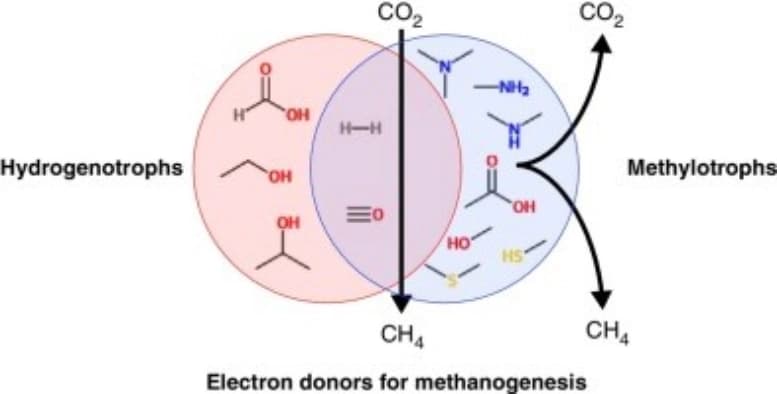
During methanogenesis, methanogens, which are a type of archaea, change acetate, hydrogen, and carbon dioxide into methane (CH₄). The majority of the biogas is made during this step. This is how you can show the overall reaction for methanogenesis.
4H₂ + CO₂ → CH₄ + 2H₂O
Biogas, which is rich in methane and can be captured and used as a source of energy, is made by this microbial process.
Biogas Composition
Methane (CH₄), carbon dioxide (CO₂), and small amounts of other gases like hydrogen sulphide (H₂S) and trace contaminants make up most biogas. Methane concentration is a key factor in figuring out how much energy is in biogas; higher methane concentrations make the fuel more valuable and useful.
Applications of Biogas
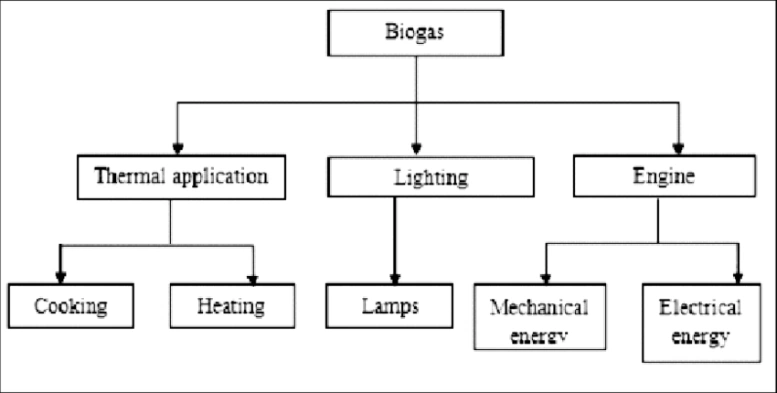
- By burning it in gas engines or turbines, biogas can be used to make electricity.
- Biogas can be burned directly to heat industrial processes or homes.
- Biomethane, which is another name for purified biogas, can be used in cars as a renewable natural gas (RNG).
- Combined heat and power (CHP) make it possible to make electricity and useful heat at the same time, which improves overall efficiency.
- Biogas that has been cleaned up can be put into natural gas pipelines to help the grid.
Biogas from anaerobic digesters is a renewable energy source that also helps get rid of organic waste, which is good for the environment and encourages people to live in a way that doesn't harm it. This method is an important part of circular economy projects, which see trash as something that can be used to make energy instead of something that needs to be thrown away.
Biogas Purification Plant Detail
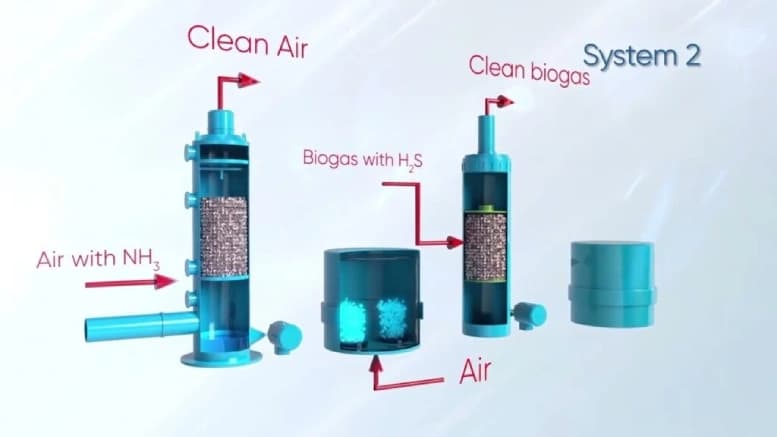
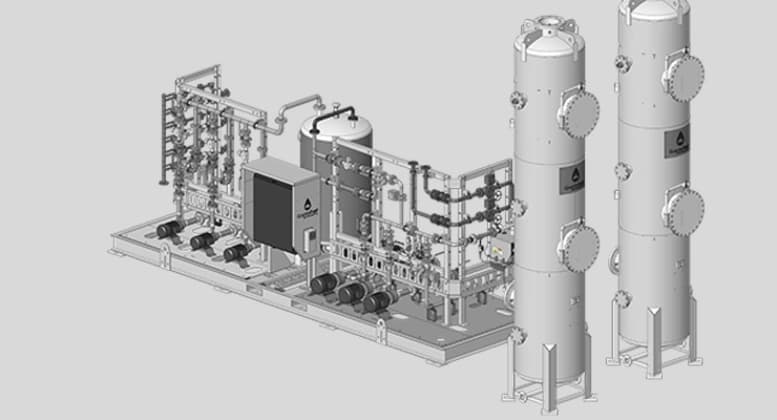
Gases like methane (CH₄) and carbon dioxide (CO₂) make up biogas, a renewable energy source that is made through anaerobic digestion. But before biogas can be used as a clean and reliable energy source, it needs to be cleaned up by getting rid of things like hydrogen sulphide (H₂S) and ammonia (NH4). The steps, chemical reactions, and technologies that make up a biogas purification plant are shown below.
1. Biogas Composition
The type of feedstock and the anaerobic digestion process affect the biogas composition. Biogas usually has between 50 and 70% methane, 30 to 50 percent carbon dioxide, and very small amounts of other gases like oxygen, nitrogen, hydrogen sulphide, ammonia, water vapour, and hydrogen. To make the biogas more stable and increase its calorific value, the impurities must be taken out.
2. Biogas Impurities
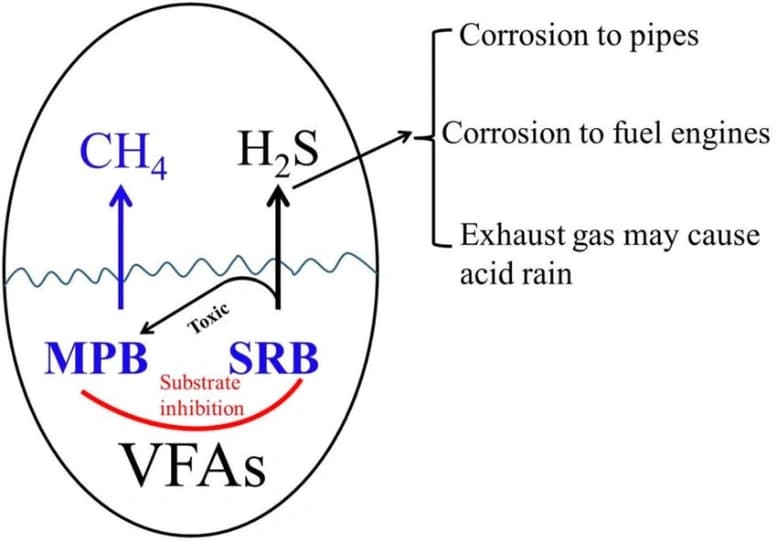
Hydrogen Sulphide (H₂S)
Because it is toxic and corrosive, H2S is not a good thing to have in biogas. There are risks to health and the environment, and it can damage things.
H₂S + O₂ → S + H₂O
S + O₂ → SO₂
2H₂S + SO₂ → 3S + 2H₂O
Ammonia (NH₃)
Another thing that needs to be taken out of biogas is ammonia. While it's being burned, it can create ammonium sulphate and ammonium bisulfide, which are harmful and add to pollution.
NH₃ + H₂O → NH₄OH
NH₄OH + H₂S → NH₄HS + H₂O
3. Biogas Purification Technologies:
1. Scrubbing:
A. Hydrogen Sulphide Removal
Biogas is mixed with water and bubbled through it. Hydrogen sulphide is absorbed by the water and forms hydrosulphide ions.
H₂S + H₂O → HS⁻ + H₃O⁺
Hydrogen sulphide and iron sponge beds react to make iron sulphide and water.
H₂S + Fe₂O₃ → Fe₂S₃ + H₂O
B. Ammonia Removal
Scrubbing water: Ammonia can be absorbed into water in the same way that H₂S can be removed.
NH₃ + H₂O → NH₄OH
C. Adsorption
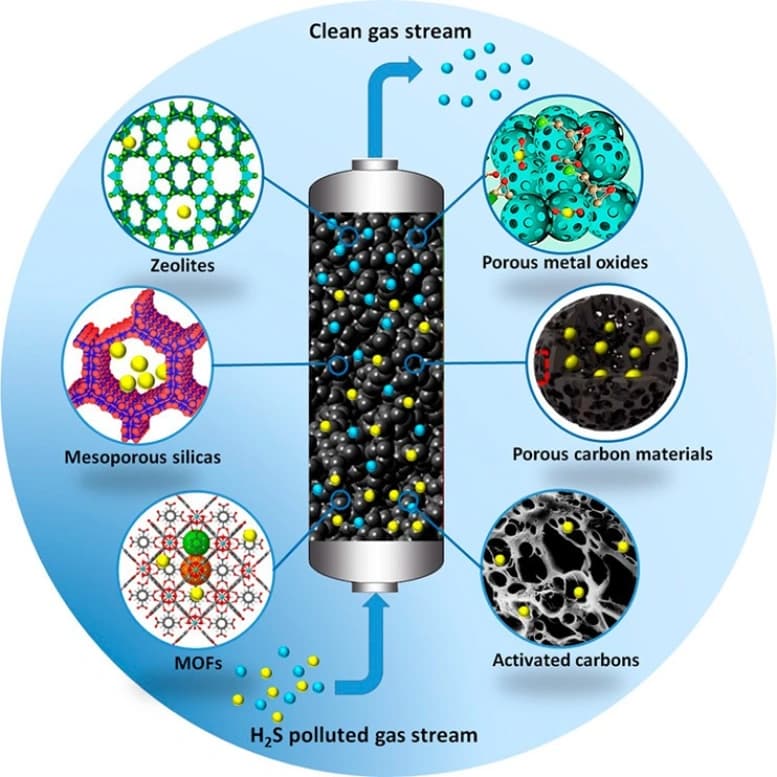
By letting impurities stick to their surfaces, activated carbon or other adsorbents can remove them selectively.
D. Membrane Separation
There are selective permeable membranes that can be used to separate carbon dioxide and methane. Biogas can be turned into biomethane with this method.
CH₄ + 2O₂ → CO₂ + 2H₂O
E. Chemical Scrubbing
In chemical scrubbing, chemicals like amine solutions are used to react with impurities and get rid of them.
NH₃ + CO₂ → NH₄HCO₃
5. Final Gas Composition
a. Biological Desulfurization
Following the cleaning process, the biogas has a higher concentration of methane and a much lower concentration of impurities. The final gas composition can be used for many things, like making electricity, heating, and fuelling vehicles.
6. Applications of Purified Biogas
- Biogas that has been cleaned up can be used to make electricity in gas engines or turbines.
- Biomethane, which is another name for purified biogas, can be used in cars as a renewable natural gas (RNG).
- It is possible to use biogas that has been cleaned to heat industrial processes and homes.
7. Environmental and Economic Impact
Biogas purification not only turns organic waste into a useful energy source, but it also makes the waste less harmful to the environment. Biogas that has been cleaned up can help make the economy more sustainable and circular, and it can be used instead of fossil fuels in ways that are better for the environment.
8. Challenges and Future Developments
a. Biological Desulfurization
Biogas purification technologies have come a long way, but there are still problems, such as the high cost of some methods and the need to keep making them more efficient. In the future, work may be done to make biogas purification more economically viable and to look into new technologies.
Biogas needs to be cleaned up before it can be used as much as possible as a clean and long-lasting energy source. By getting rid of impurities like hydrogen sulphide and ammonia, the biogas is made clean enough to meet quality standards for a wide range of uses, from making electricity to fuelling vehicles. Biogas purification will be a key part of the move toward a more sustainable and environmentally friendly energy landscape as technology keeps getting better.
CO2 and methane separation techniques
In biogas purification plants, separating carbon dioxide (CO₂) and methane (CH₄) is necessary to make biogas better for many uses. During the separation process, CO2 is taken out, which is usually present in biogas in large amounts along with methane. This is very important because biogas with more methane has a higher calorific value, which makes it a more valuable and useful fuel. Here are a few ways that CO2 and methane can be separated in biogas plants with anaerobic digesters.
1. Membrane Separation
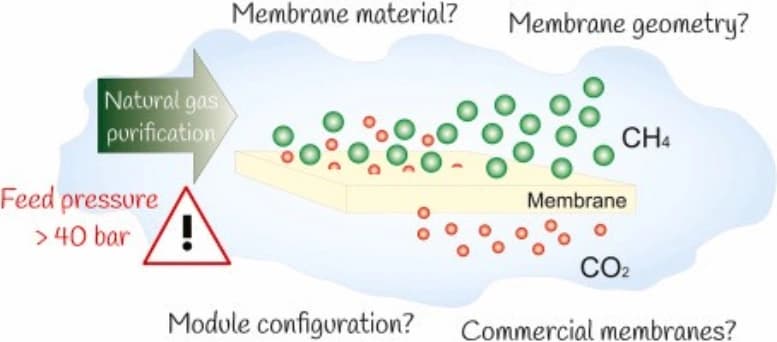
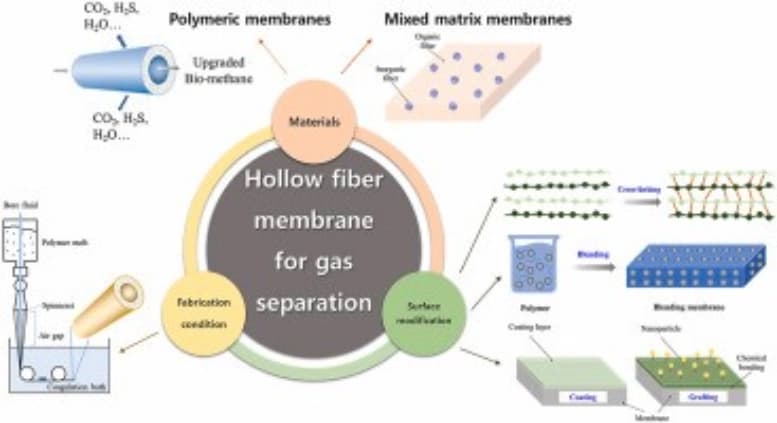
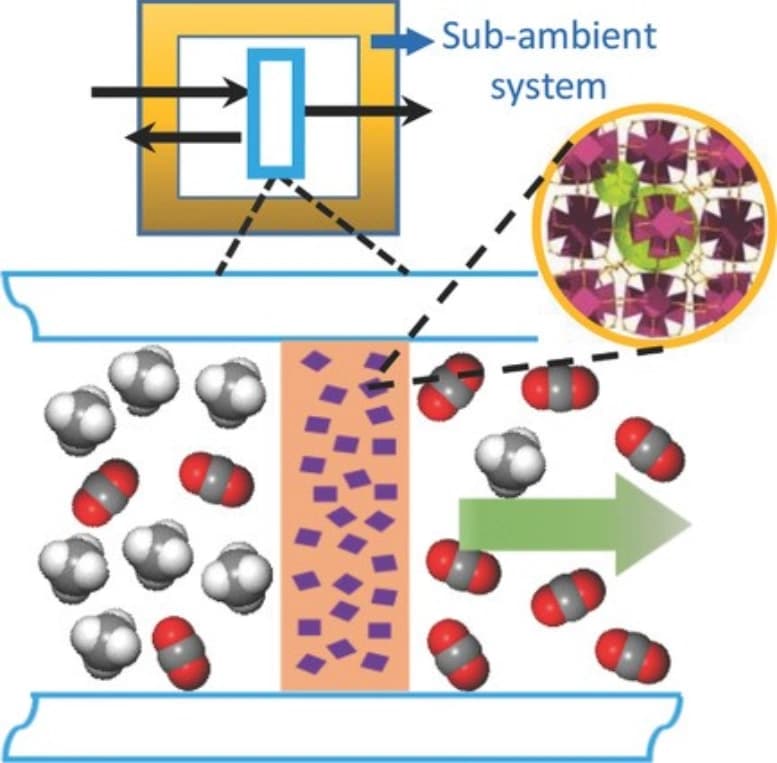
A common way to separate CO₂ and CH₄ based on their molecular sizes is through membrane separation. In this method, membranes that are only partially permeable let some molecules pass through but not others. When biogas is being cleaned, membranes are chosen so that methane can pass through more easily than carbon dioxide.
Because they move through polymeric membranes at different speeds, CO₂ and CH₄ can pass through them more easily than CH₄.
CO₂ (permeate)
CH₄ (retentate)
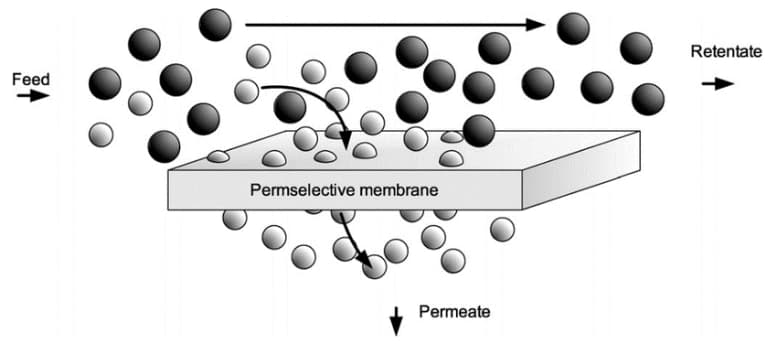
Process for separation techniques
- Biogas is put through modules with selective membranes inside them.
- Because methane molecules are smaller and less dense than carbon dioxide molecules, the membranes let methane pass through more easily than carbon dioxide.
- On one side of the membrane, the permeate, which is high in methane, is collected, while the retentate, which is high in CO₂, stays on the other side.
- The permeated gas, which is now higher in methane, mixes with the biogas that has been cleaned up.
Advantages
- Energy-efficient.
- Process that never stops.
- Adaptable to different amounts of biogas.
Limitations
- Energy-efficient.
- Costs of the initial investment.
- Over time, membranes get dirty.
2. Pressure and Temperature Swing Adsorption (PSA)
Swing of Pressure An adsorbent is a substance that can selectively take in CO₂ while letting CH₄ pass through. The process goes through cycles of increasing and decreasing pressure.
In PSA, a bed of adsorbent material is put in contact with high-pressure gas. This lets CO₂ stick to the material while CH₄ flows through it. The bed is then let go of its pressure, and the CO2 that was stuck to it is let go.
CO₂ + Adsorbent → Adsorbed CO₂
The process is repeated over and over again after regeneration. Temperature Swing Adsorption (TSA) The TSA, like the PSA, uses changes in temperature to make gases adsorb and desorb.
CO₂ + Adsorbent → Adsorbed CO₂
By raising the temperature, the CO₂ that was stuck on the adsorbent is released, and it is used again.
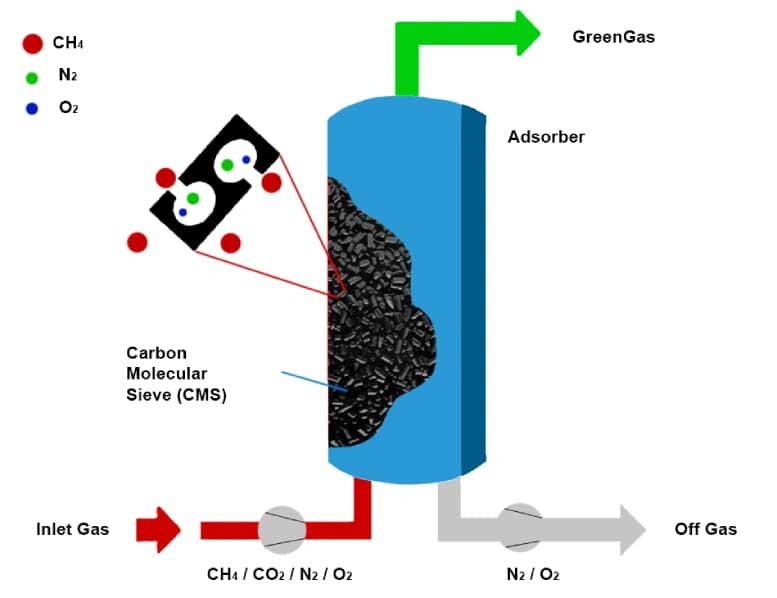
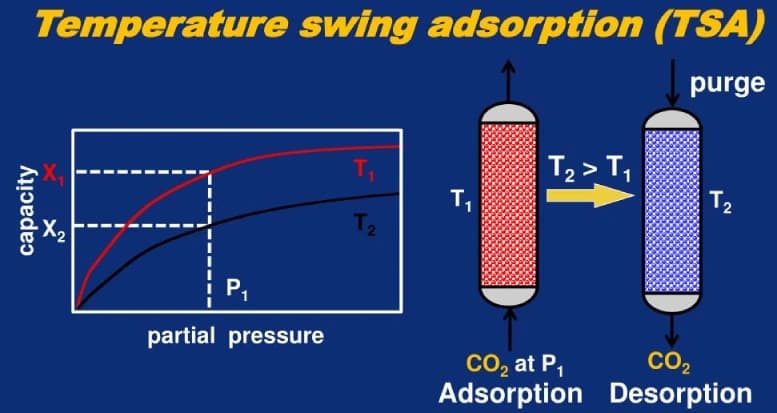
Process Swing Adsorption
- Biogas is fed through a column that is full of an adsorbent material like zeolite.
- Because CO₂ sticks to the adsorbent's surface, it separates from CH₄.
- The column is let out of pressure, which lets the CO₂ leave, and the adsorbent is cleaned up for the next cycle.
- The desorbed gas, which is now higher in CH₄, is added to the biogas that has been cleaned up.
Advantages
- Separated gases that are very pure.
- Suitable for use with high pressure.
- It can be used for both small and large jobs.
Limitations
- Using a lot of energy because it has to go back and forth between adsorption and desorption.
- Periodic regeneration could cause gas flow to stop and start.
3. Chemical Absorption
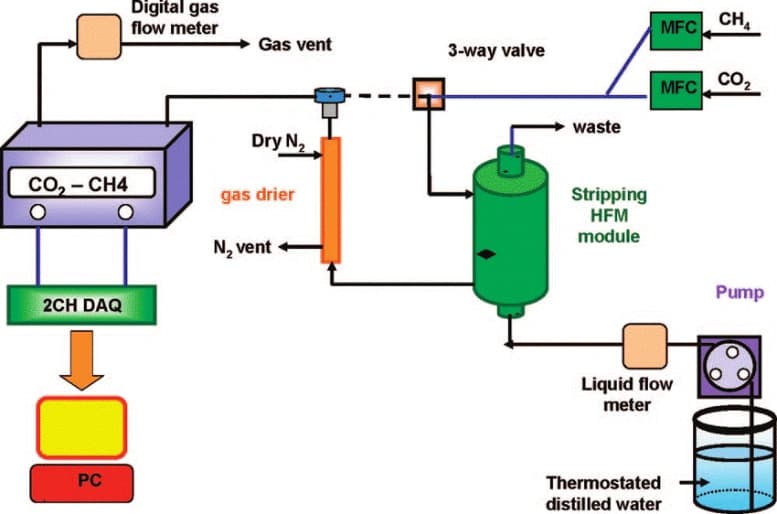
If you want to selectively absorb CO₂ while letting CH₄ pass through, you can use chemical absorption. Alkanolamines are a common type of absorbent because they react with CO₂ and take it up.
One of the gases is turned into a solvent using this method, while the other gas stays mostly the same. Amines are a common type of solvent.
a. Amine Scrubbing
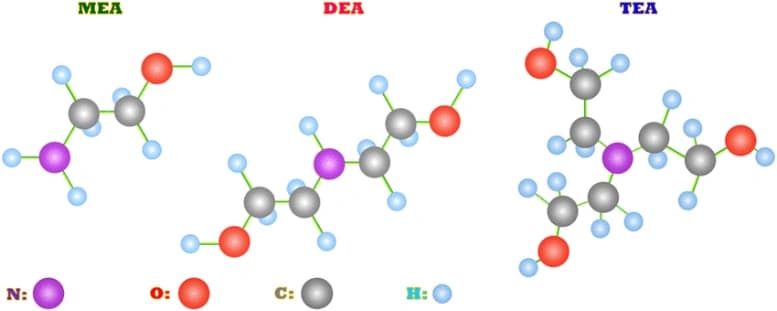
Some amino acids, like monoethanolamine (MEA) or diethanolamine (DEA), can selectively take in CO₂ and turn it into stable compounds.
CO₂ + 2MEA → HCO₃⁻ + MEAH₂
These two things come together to make a bicarbonate ion (HCO₃⁻) and a chemisorbed amine (MEAH₂). The absorbed CO₂ is desorbed with heat to make the amine solution work again.
HCO₃⁻ + MEAH₂ → CO₂ + 2MEA + H₂O
Methane can be left behind because of this process, which only absorbs CO₂.
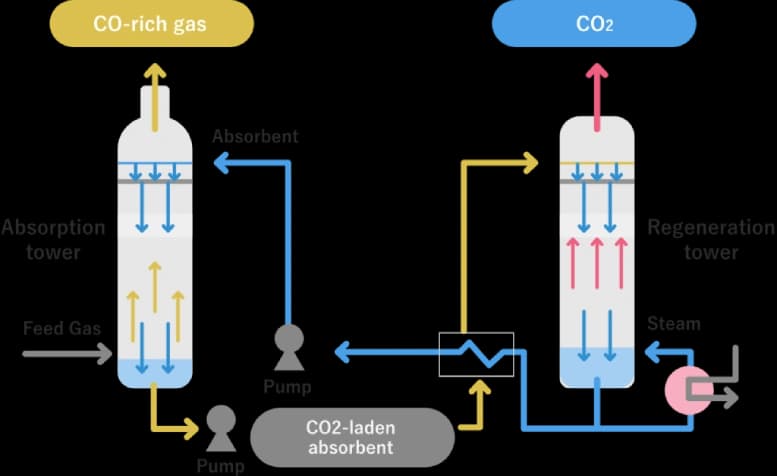
Process Chemical Absorption
- Biogas is pumped through a liquid absorbent, which is usually a column that is packed full of them.
- As the CO₂ reacts with the absorbent, a chemical complex is made that can dissolve in liquid.
- After absorbing CO₂, the absorbent goes through a process called "stripping" to release the gas.
- The released gas, which is now higher in CH₄, mixes with the biogas that has been cleaned up.
Advantages
- Very good at getting rid of CO₂.
- It can be used for both small and large projects.
Limitations
- requiring a lot of energy during the regeneration phase..
- Taking care of the absorbent solution.
4. Cryogenic Separation
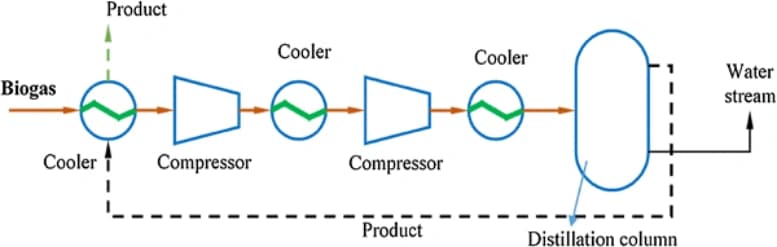
It is possible to separate CO₂ and CH₄ using cryogenics because their condensation points are not the same at low temperatures. To use this method, the biogas is cooled to cryogenic temperatures, which makes CO₂ condense while CH₄ stays a gas.
The different boiling points of gases are used in cryogenic distillation to separate them.
a. Low-Temperature Separation
When the temperature is low, methane can turn into a liquid, but CO2 stays a gas. The formed methane is then separated from the CO2 gas.
CH₄ (liquid)
CO₂ (gas)
Process Steps
- It is cooled down to very low temperatures, usually below the point at which biogas starts to condense.
- CO₂ turns into a liquid, which separates it from CH₄.
- The gaseous CH₄ is left over after the liquid CO₂ is taken away.
- Biogas that has been cleaned up includes the gaseous CH₄.
Advantages
- Separated gases that are very pure.
- It works well for large-scale uses.
Limitations
- Separated gases that are very pure.
- It works well for large-scale uses..
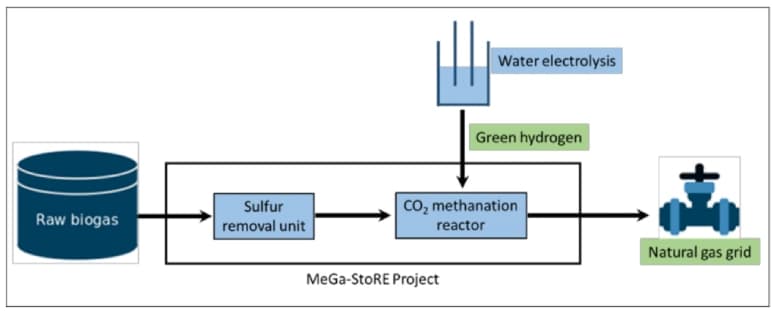
Techniques for separating CO2 and methane are very important for making biogas better so that it meets quality standards for many uses. Which separation method to use depends on things like the size of the operation, how much energy is needed, and how pure the gas needs to be. As technology improves, researchers are always looking for ways to separate things that use less energy and cost less. This helps biogas become more popular as a clean, renewable energy source.
Waterman Engineers Australia services.
According to Waterman Engineers Australia, they are the best at all kinds of services related to making biogas from anaerobic digesters and designing and building biogas purification plants. Their knowledge includes all stages of biogas processing, from the initial digestion to the final purification. They focus on getting rid of impurities like hydrogen sulphide (H₂S) and ammonia (NH3), as well as separating carbon dioxide (CO₂) and methane (CH₄).
1. Biogas Production from Anaerobic Digesters
Waterman Engineers Australia knows how to design, build, and improve anaerobic digesters so that they can make biogas more efficiently. In order to make biogas production more efficient overall, this includes choosing the right feedstocks, improving the process, and adding new technologies.
2. Biogas Purification Plant
The company's main focus is on building biogas purification plants that get rid of impurities so that the gas meets strict quality standards for a variety of uses. Hydrogen sulphide (H₂S) and ammonia (NH3), which are major contaminants in biogas, are taken out during the purification process.
3. H₂S and NH₃ Removal
Hydrogen sulphide and ammonia removal by Waterman Engineers Australia uses cutting edge methods. These are important steps in the purification process. Chemical scrubbing, biological desulfurization, and water scrubbing are all common ways to do this. The previous answers went into detail about the chemical reactions that take away H₂S and NH3.
4. Biogas Composition Adjustment
Waterman Engineers Australia focuses on changing the composition of biogas to meet specific needs because they know that biogas is mostly made up of carbon dioxide (CO₂) and methane (CH₄). This could mean getting rid of extra CO2 to make the biogas more calorific or changing the amount of methane for certain uses.
5. CO₂ and CH₄ Separation Techniques
The company uses different separation methods to selectively remove CO₂ and CH₄ from biogas or change their concentrations. Adsorption, membrane separation, and cryogenic distillation are some of the methods used. The goal of these methods is to make methane purer so that it can be used to make electricity or as a fuel for cars.
6. Technology Integration
In the field of biogas processing, Waterman Engineers Australia stays on the cutting edge of new technology. They use cutting-edge technologies to clean and separate biogas as part of their services, so clients can take advantage of the newest developments in the field.
7. Compliance and Quality Assurance
Following environmental rules and making sure quality standards are met are very important to the company. Their services are meant to meet or go beyond industry standards, making sure that the biogas that has been cleaned meets the requirements for many uses, such as safety and environmental rules.
8. Customized Solutions
Waterman Engineers Australia offers custom solutions that are made to fit the needs of each project because they know that clients have different needs. Their services can be changed to fit the needs of any project, whether it's a small-scale anaerobic digestion system or a large-scale biogas purification plant. Waterman Engineers Australia offers a wide range of services related to producing and cleaning biogas. These services cover the whole process, from anaerobic digestion to delivering clean, high-quality biogas. They are a major player in the sustainable and renewable energy sector because they know how to solve problems related to removing H₂S and NH3, changing the composition of biogas, and using advanced separation techniques. Waterman Engineers Australia offers custom solutions that are made to fit the needs of each project because they know that clients have different needs. Their services can be changed to fit the needs of any project, whether it's a small-scale anaerobic digestion system or a large-scale biogas purification plant. Waterman Engineers Australia offers a wide range of services related to producing and cleaning biogas. These services cover the whole process, from anaerobic digestion to delivering clean, high-quality biogas. They are a major player in the sustainable and renewable energy sector because they know how to solve problems related to removing H₂S and NH3, changing the composition of biogas, and using advanced separation techniques.
Need More Information?
Please get in touch and we'll be happy to discuss your biogas upgradation project.